Tokenization of Real-World Assets
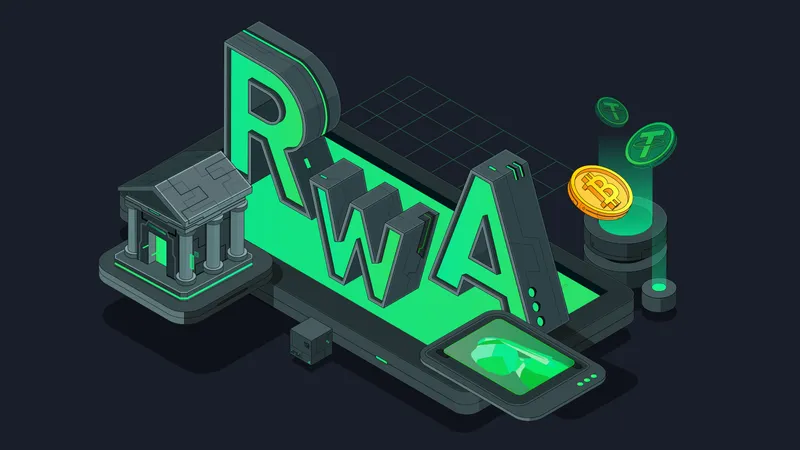
Tokenization has emerged as one of the most promising innovations in modern finance, offering a way to convert ownership of physical or traditional financial assets into digital tokens on a blockchain. This shift is unlocking new opportunities for investors, improving liquidity, and reshaping how assets are managed and exchanged.
What Is Asset Tokenization?
Asset tokenization is the process of converting real-world assets (RWAs)—such as real estate, commodities, artwork, equities, or intellectual property—into digital tokens. These tokens represent ownership or rights associated with the underlying asset and are recorded on a blockchain for secure, transparent, and efficient transfer.
Why Tokenization Matters in Today’s Financial Landscape
Enhanced Liquidity
Many physical assets, like commercial buildings or fine art, are traditionally illiquid. Tokenization divides them into fractional units that can be traded more easily, allowing smaller investors to participate.
Improved Accessibility
Tokenization lowers entry barriers. Instead of needing large sums to buy an entire property or collectable, investors can purchase small fractions represented by digital tokens.
Greater Transparency
Every transaction and ownership change is recorded on the blockchain, ensuring clear audit trails and reducing the risk of manipulation or fraud.
Reduced Costs
By eliminating intermediaries—brokers, custodians, and insurers—tokenization can streamline processes and reduce transaction fees.
Faster Settlement
Blockchain transactions settle quickly, often within seconds, compared to traditional methods that may take days.
Types of Real-World Assets Being Tokenized
Real Estate
One of the most popular use cases due to the high value and low liquidity of real estate markets.
Benefits include:
- Fractional ownership
- Global investor participation
- Passive income through tokenized rental streams
Commodities
Gold, oil, diamonds, and agricultural goods are increasingly being tokenized, creating easier ways to trade and track commodity ownership.
Art and Collectibles
Tokenization allows investors to own shares of high-end artworks or luxury collectibles without purchasing the entire piece.
Equities and Bonds
Traditional securities can be issued as digital tokens, improving trading efficiency and reducing settlement risk.
Intellectual Property
Patents, music royalties, trademarks, and licensing agreements can be tokenized for transparent revenue distribution.
How Tokenization Works
1. Asset Identification and Valuation
The physical asset is verified, appraised, and securely stored if necessary.
2. Legal Structuring
Legal frameworks ensure that tokens genuinely represent ownership rights or claims to the asset.
3. Token Creation
Digital tokens are minted on a blockchain, often using standards like ERC-20 or ERC-721.
4. Distribution to Investors
Tokens are sold or allocated via platforms that support tokenized assets.
5. Trading and Management
Investors can buy, sell, or transfer tokens much like traditional digital assets.
Benefits for Investors and Institutions
Portfolio Diversification
Tokenization opens doors to asset classes previously inaccessible to retail investors.
Stronger Security
Blockchain ensures immutability, reducing fraud and ensuring accurate ownership records.
Operational Efficiency
Institutions can streamline asset management, settlement, and compliance workflows.
New Revenue Models
Issuers can offer fractional investment opportunities, subscription access, and digital marketplaces.
Challenges in Tokenizing Real-World Assets
Regulatory Uncertainty
Different jurisdictions have varying rules regarding digital asset ownership and securities classification.
Technical Integration
Legacy financial systems may struggle to integrate blockchain-based tokenization platforms.
Custodial Considerations
The underlying physical asset must be secured and insured to maintain investor trust.
Market Adoption
Mainstream investors and institutions are still learning how tokenized assets function.
Liquidity Dependence
Tokenization improves the potential for liquidity, but active secondary markets are essential for sustained trading.
The Future of Real-World Asset Tokenization
Tokenization is expected to play a major role in the evolution of digital finance. As regulatory clarity improves and blockchain adoption grows, tokenized RWAs will likely appear across real estate markets, financial exchanges, and even government-backed assets. This technology promises a future where investing is more inclusive, efficient, and globally accessible.
Frequently Asked Questions (FAQ)
1. Can anyone invest in tokenized real-world assets?
Access depends on jurisdictional regulations and platform requirements, but many tokenized assets are open to retail investors.
2. Are tokenized assets the same as cryptocurrencies?
No. Cryptocurrencies are native digital coins, while tokenized assets represent ownership of physical or traditional financial assets.
3. How secure are tokenized assets?
Security depends on blockchain integrity, custody of the underlying asset, and the platform’s compliance measures.
4. Do tokenized assets pay dividends or income?
Some do, such as tokenized real estate or intellectual property, which may distribute rental income or royalties to token holders.
5. What blockchains are commonly used for tokenization?
Ethereum, Polygon, and various enterprise blockchains are widely used due to strong smart contract support.
6. Is tokenization legally recognized?
Many countries recognize tokenized securities, but legal clarity continues to evolve.
7. Can tokenized assets be traded globally?
Technically yes, but regulatory restrictions may affect who can buy or sell across jurisdictions.
If you’d like, I can expand this article into a full research report, prepare an editable PDF, or tailor the content for SEO optimization.