The Evolution of Performance Management in Enterprise Organizations
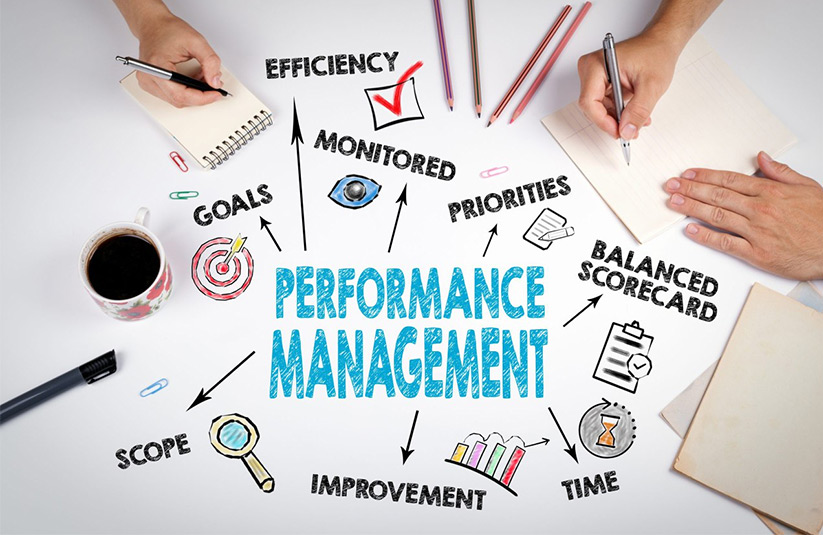
Performance management within enterprise organizations has undergone a complete structural transformation over the past several decades. Historically treated as an annual administrative compliance exercise, evaluating workforce output was once defined by static performance appraisals, rigid rating scales, and stack-ranking models. These traditional frameworks focused largely on backward-looking accountability, measuring past results rather than fostering future growth.
As global market dynamics accelerated, technology modernized workplace workflows, and employee expectations evolved, enterprise organizations realized that traditional performance reviews failed to drive operational agility or long-term workforce productivity. Modern performance management has shifted away from periodic judgment toward continuous feedback, skill development, real-time data analytics, and aligned goal frameworks. This evolution reflects a broader recognition that employee growth directly determines organizational resilience and commercial success.
The Limitations of Traditional Annual Review Models
For most of the twentieth century, enterprise performance management centered on the formal annual review. Once a year, managers gathered past metrics, filled out detailed evaluation forms, and assigned numerical ratings to direct reports. These scores directly determined annual merit raises, bonus distributions, and promotion eligibility.
While these legacy systems aimed to standardise employee evaluations across large corporations, they introduced systemic operational friction and severe cultural drawbacks.
Key Flaws of Legacy Performance Systems
-
Recency Bias: Managers frequently overemphasized recent wins or mistakes made in the weeks immediately preceding the review, ignoring performance delivered months earlier.
-
Demotivating Stack Ranking: Mandatory distribution curves forced managers to categorize a fixed percentage of high-performing employees as average or below average, destroying team collaboration and internal trust.
-
Lagging Operational Visibility: Feedback delivered up to twelve months after an event prevented employees from making real-time course corrections, limiting agility in fast-moving industries.
-
Administrative Burden: Human resource teams and operational managers spent thousands of collective hours completing paperwork rather than conducting meaningful career development discussions.
The Shift Toward Continuous Feedback and Agile Performance
To overcome the friction of annual reviews, forward-thinking enterprises began dismantling legacy appraisal systems in favor of continuous performance management frameworks. This shift prioritizes ongoing dialogue, weekly check-ins, and immediate recognition over infrequent, high-stakes evaluation sessions.
By embedding feedback directly into weekly operational workflows, managers help employees adjust goals dynamically, overcome execution hurdles promptly, and maintain continuous alignment with enterprise strategy.
Core Components of Continuous Performance Frameworks
-
Frequent Check-Ins: Brief, structured conversations held weekly or bi-weekly between managers and employees to review current priorities, address immediate blockers, and discuss progress.
-
Peer-to-Peer Recognition: Multi-directional feedback channels that allow team members to acknowledge individual contributions across functional silos in real time.
-
Agile Goal Management: Utilizing agile frameworks, such as Objectives and Key Results, where target metrics are reviewed and adjusted quarterly rather than locked into annual cycles.
-
Developmental Coaching: Transforming managerial roles from authoritative supervisors into active career coaches who focus on skill acquisition, career mapping, and strengths-based development.
Data Analytics and Technology in Performance Ecosystems
Modern enterprise performance management relies heavily on advanced digital platforms and human resource analytics. Centralized software suites have replaced manual spreadsheets, providing leaders with transparent visibility into workforce capabilities, productivity trends, and engagement metrics across geographically dispersed teams.
Predictive analytics and automated sentiment tracking enable human resource leaders to identify early indicators of employee burnout, turnover risks, and operational bottlenecks before they impact overall performance.
Practical Applications of Performance Analytics
-
Objective Data Integration: Pulling output data directly from enterprise resource planning, customer relationship management, and project management tools to reduce subjective manager bias.
-
Identification of High-Potential Talent: Utilizing talent matrices and cross-departmental data to discover high-performing employees eligible for leadership development tracks.
-
Targeted Skill Gap Analysis: Analyzing performance data against future enterprise initiatives to pinpoint critical skill deficits across specific operational units.
-
Predictive Retention Modeling: Assessing engagement patterns and performance shifts to proactively intervene when top performers exhibit signs of disengagement.
Decoupling Performance Reviews from Compensation Decisions
One of the most significant structural changes in modern enterprise HR strategy is decoupling performance conversations from financial compensation reviews. In legacy systems, holding performance evaluations and salary negotiations simultaneously created severe anxiety. Employees focused entirely on defending their financial interests, rendering constructive career feedback ineffective.
Leading organizations now separate tactical growth reviews from annual compensation discussions by several months. This separation allows employees to absorb feedback, engage in authentic self-reflection, and focus on professional growth without immediate defensive reactions regarding salary outcomes.
Strategic Benefits of Separating Compensation and Feedback
-
Enhanced Receptivity to Coaching: Employees absorb constructive criticism far more effectively when personal income is not directly tied to that specific discussion.
-
Authentic Self-Assessment: Team members are willing to admit development areas and skill gaps when doing so does not trigger immediate financial penalties.
-
Fairer Compensation Calibration: Salary and equity adjustments can be evaluated holistically across business units based on market benchmarks and overall value contribution rather than isolated subjective ratings.
Building a Culture of Psychological Safety and Growth Mindset
The modern evolution of performance management extends beyond software and process redesign; it requires a fundamental shift in corporate culture. Modern organizations recognize that high-performance teams require psychological safety, where employees feel secure taking calculated risks, voicing concerns, and experimenting without fear of harsh retributive measures.
Emphasizing a growth mindset encourages employees to view performance setbacks as valuable learning opportunities rather than absolute failures. When organizations replace fear-based evaluation models with supportive development structures, innovation and employee engagement rise significantly.
Cultivating a High-Performance Culture
-
Normalizing Constructive Vulnerability: Leaders openly discussing their own professional challenges and lessons learned to encourage open dialogue across all tiers.
-
Focusing on Strengths-Based Development: Designing roles and responsibilities around an employee’s natural strengths rather than over-focusing on minor weaknesses.
-
Encouraging Calculated Risk-Taking: Rewarding bold initiatives and creative problem-solving, even when initial outcomes do not achieve targeted results.
Frequently Asked Questions (FAQ)
How do enterprise organizations ensure consistency when managers evaluate employees across different departments without formal rating scales?
Enterprises maintain consistency through structured calibration sessions, standardized goal frameworks, and multi-rater feedback models. During calibration meetings, managers discuss their evaluation rationales with peer leaders and HR representatives to align on performance definitions and eliminate personal bias across departments.
What is the ideal frequency for holding formal career development conversations versus tactical performance check-ins?
Tactical performance check-ins should occur weekly or bi-weekly to focus on immediate deliverables, active projects, and operational blockers. Formal career development discussions, which explore long-term trajectory, skill building, and mobility opportunities, are best held quarterly or semi-annually to ensure distinct focus from daily tasks.
How can companies prevent continuous feedback systems from overwhelming managers with administrative work?
To avoid administrative fatigue, continuous feedback systems utilize lightweight digital tools integrated into existing communication channels. Managers complete brief, template-driven check-ins that take only a few minutes, focusing conversation on qualitative guidance rather than lengthy written documentation.
Does eliminating traditional stack ranking reduce an organization’s ability to identify underperforming employees?
No, eliminating stack ranking replaces forced, artificial distributions with clear, objective performance criteria. Underperformance is identified far quicker through continuous monitoring and real-time deliverable tracking, allowing managers to implement targeted performance improvement plans immediately rather than waiting for an annual evaluation cycle.
How do global enterprises adapt continuous performance management across countries with distinct cultural norms around feedback?
Global enterprises maintain core performance principles while empowering local HR leads to adapt feedback delivery methods. In cultures where direct critical feedback is viewed as overly confrontational, managers receive training on indirect coaching methods and structured peer review techniques that align with local cultural norms.
How does continuous performance management support internal talent mobility within an enterprise?
Continuous tracking provides real-time visibility into employee skills, cross-functional projects, and career aspirations. When internal positions or cross-departmental initiatives open, HR leaders use these updated skill inventories to match internal candidates with new opportunities, accelerating internal mobility and lowering external recruitment costs.
What metrics best measure the overall return on investment of modernizing a performance management system?
Key performance indicators include voluntary employee turnover rates, internal promotion rates, employee net promoter scores, project completion timelines, and time spent on administrative HR compliance tasks. Improvements across these metrics demonstrate increased organizational efficiency and employee engagement.