The Evolution and Future of Modern Manufacturing
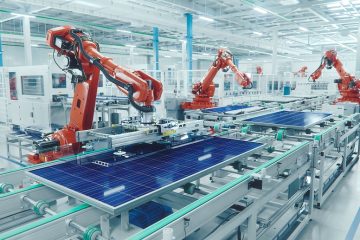
Manufacturing serves as the backbone of the global economy, transforming raw materials into finished goods that power industries, infrastructure, and daily consumer life. Over the past two centuries, the manufacturing sector has undergone multiple industrial revolutions, moving from manual craft production to steam-powered mechanization, electrical mass assembly lines, and computer-driven automation. Today, the sector stands at the center of a new digital transformation commonly referred to as Industry 4.0.
Modern manufacturing integrates physical machinery with advanced software, cloud computing, and real-time data analytics. This convergence enables production facilities to achieve higher levels of efficiency, precision, and flexibility than ever before. Understanding the foundational principles, technological advances, and operational strategies of contemporary manufacturing is essential for businesses seeking to remain competitive in a rapidly changing global marketplace.
Core Manufacturing Methodologies and Production Models
The global manufacturing landscape encompasses a wide variety of production styles designed to accommodate different product types, volume requirements, and material properties. Selecting the appropriate methodology directly affects operational overhead, turnaround times, and product quality.
-
Discrete manufacturing focuses on the production of distinct, identifiable items that can be counted, touched, or disassembled. Examples include automobiles, consumer electronics, furniture, and aircraft. Production typically relies on assembly lines where component parts are combined in sequential steps.
-
Process manufacturing converts raw materials into liquid, powder, or gas formulations using chemical reactions, thermal treatment, or precise blending techniques. Common products include refined petroleum, pharmaceuticals, beverages, and specialty chemicals. Unlike discrete goods, process products cannot be dismantled back into their original individual components.
-
Job shop manufacturing handles small batches of custom or highly specialized products tailored to specific client specifications. Facilities utilize versatile machinery and highly skilled operators who adapt equipment setups for each unique project.
-
Continuous flow manufacturing operates nonstop to produce high volumes of standardized goods with minimal human intervention. Facilities run constantly to maximize asset utilization and reduce unit costs for commodity items such as paper, glass, and steel.
Beyond these fundamental production models, modern operational management relies heavily on lean manufacturing principles. Developed initially within the automotive industry, lean manufacturing focuses on identifying and eliminating eight primary forms of operational waste: overproduction, unnecessary motion, waiting times, excess inventory, transportation inefficiencies, overprocessing, defects, and underutilized talent.
Complementing lean strategies is Six Sigma, a data-driven methodology aimed at minimizing process variation and achieving near-perfect quality control. By combining lean techniques with Six Sigma analytical tools, manufacturers systematically streamline workflows, lower scrap rates, and optimize yield across all stages of production.
Key Technological Innovations Driving Smart Manufacturing
The integration of advanced digital technologies into factory environments has given rise to smart manufacturing. Smart factories leverage interconnected systems to gather, analyze, and act upon data in real time, turning traditional production environments into intelligent ecosystems.
-
Industrial Internet of Things (IIoT): Embedded sensors attached to machinery and conveyor systems collect real-time data on temperature, vibration, pressure, and operating speed. This constant stream of operational metrics gives managers complete visibility into facility performance.
-
Artificial Intelligence and Machine Learning: Algorithms process operational data to detect subtle anomalies that precede equipment failures. Predictive maintenance software alerts maintenance crews before a catastrophic breakdown occurs, drastically reducing unplanned downtime.
-
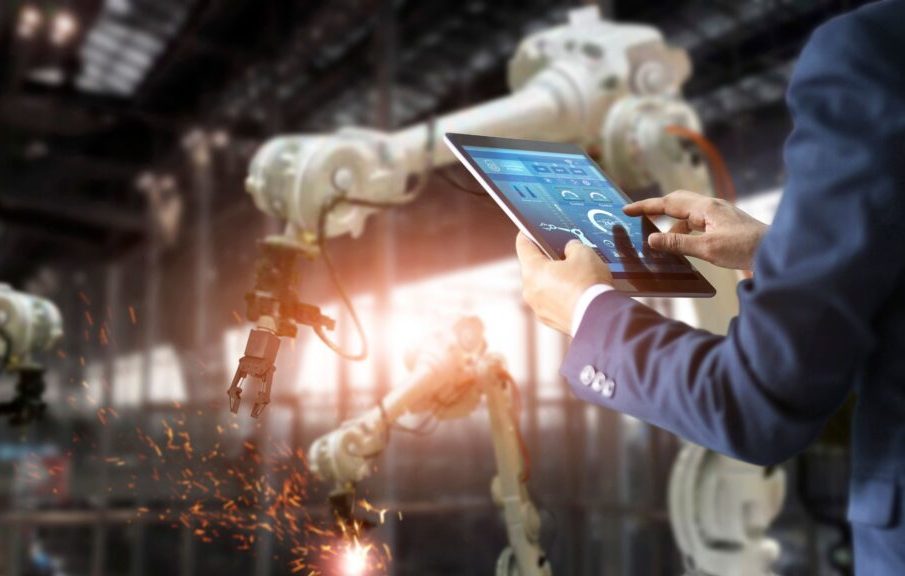
Robotics and Collaborative Automation: Industrial robots perform high-speed, repetitive, or hazardous tasks with unwavering accuracy. Collaborative robots, or cobots, work alongside human technicians, featuring sensitive force feedback sensors that allow safe proximity without traditional safety cages.
-
Additive Manufacturing: Also known as 3D printing, additive manufacturing builds components layer by layer directly from digital CAD files. This process reduces material waste, allows for complex internal geometries, and accelerates rapid prototyping cycles without needing custom tooling.
-
Digital Twins: A digital twin is a virtual replica of a physical machine, production line, or entire manufacturing facility. Engineers use digital twins to simulate operational changes, test workflow adjustments, and model performance under varying stress levels prior to making expensive physical modifications on the shop floor.
Implementing these technologies enables manufacturers to achieve higher throughput, lower operational costs, and adapt quickly to shifting market demands or custom customer specifications.
Global Supply Chain Integration and Logistics Resiliency
Manufacturing facilities do not operate in isolation; they depend on intricate global supply chains to secure raw materials, specialized components, and distribution channels. Recent global disruptions have underscored the importance of building resilient supply chains that can withstand geopolitical volatility, economic shifts, and natural trade bottlenecks.
To mitigate risk, many companies are shifting away from single-source global procurement models toward diversified sourcing strategies. Nearshoring involves relocating production or supplier networks to neighboring countries, reducing transit times and shipping costs. Reshoring brings manufacturing operations back to the home country, offering maximum control over intellectual property, product quality, and regulatory compliance.
Advanced supply chain software enhances end-to-end visibility across global logistics networks. By integrating warehouse management systems with enterprise resource planning software, manufacturers can track shipments in real time, monitor buffer inventory levels, and automatically adjust production schedules when material delays occur. This level of responsiveness is vital for maintaining customer satisfaction and preventing costly assembly line stoppages.
Sustainability and Clean Manufacturing Practices
Environmental sustainability has transitioned from a corporate compliance objective to a central competitive imperative. Sustainable manufacturing focuses on minimizing environmental impact by conserving energy, reducing greenhouse gas emissions, and eliminating toxic waste throughout the product lifecycle.
-
Energy Efficiency and Renewable Power: Modern plants install energy-efficient LED lighting, high-efficiency motor drives, and heat recovery systems. Many facilities also incorporate onsite solar panels or procure renewable energy certificates to offset carbon emissions.
-
Material Recycling and Waste Reduction: Closed-loop manufacturing systems capture scrap metals, plastics, and process water for re-use within the production cycle. Redesigning packaging materials to use biodegradable or recyclable alternatives further minimizes landfill contributions.
-
Sustainable Sourcing: Leading manufacturers audit their supplier networks to ensure raw materials are harvested or mined in accordance with ethical environmental standards, avoiding unsustainable deforestation or resource depletion.
Adopting sustainable practices lowers utility costs, reduces regulatory risk, and attracts environmentally conscious consumers and business partners who prioritize corporate responsibility.
Workforce Development and the Modern Manufacturing Skill Set
As technology transforms the shop floor, the human labor requirements within manufacturing facilities are undergoing a corresponding evolution. Modern manufacturing relies less on manual muscle and more on technical expertise, problem-solving abilities, and digital literacy.
Roles such as traditional assembly line worker are increasingly being replaced by positions like automation technician, CNC programmer, industrial data analyst, and robotics maintenance specialist. This shift has created a growing demand for specialized technical skills across the industrial sector.
To close the emerging skills gap, forward-thinking manufacturing companies are investing heavily in employee upskilling programs, registered apprenticeship initiatives, and educational partnerships with technical colleges. Modern factory environments emphasize worker safety, continuous learning, and ergonomic workstation design, making manufacturing careers increasingly attractive to a new generation of tech-savvy workers.
Frequently Asked Questions
How does discrete manufacturing differ from process manufacturing in terms of raw materials?
Discrete manufacturing uses distinct, solid components such as nuts, bolts, circuit boards, and stamped metal parts to assemble a finished product that can be disassembled. Process manufacturing relies on bulk ingredients such as liquids, gases, or powders that undergo chemical or thermal transformation, resulting in a product that cannot be reverted to its individual components.
What is a digital twin and how does it help reduce equipment downtime?
A digital twin is a dynamic virtual model of a physical machine or system that receives continuous data from IIoT sensors. By analyzing real-time operating metrics within the virtual model, software algorithms can detect early indicators of mechanical wear or strain, allowing maintenance teams to service equipment before a breakdown occurs.
What role do collaborative robots play on an industrial assembly line?
Collaborative robots, or cobots, are designed to operate safely alongside human workers without requiring protective physical barriers. They assist technicians by handling heavy lifting, executing repetitive assembly tasks, or conducting automated quality inspections, which improves workplace safety and overall efficiency.
How do nearshoring and reshoring impact local manufacturing economies?
Nearshoring and reshoring bring production facilities and supplier networks closer to end consumer markets. This shift creates local technical jobs, strengthens domestic industrial infrastructure, reduces supply chain lead times, and insulates domestic markets from international freight disruptions.
What is the difference between preventive maintenance and predictive maintenance?
Preventive maintenance follows a fixed calendar or usage-based schedule to inspect and service machinery regardless of current machine condition. Predictive maintenance uses real-time sensor data and machine learning algorithms to evaluate actual equipment wear, performing maintenance only when data indicates a likely failure is approaching.
How does additive manufacturing help streamline supply chain management?
Additive manufacturing allows companies to produce custom parts and tooling on demand directly from digital files. This capability eliminates the need to hold large inventories of spare parts in warehouses, reduces reliance on specialized external tooling suppliers, and drastically shortens production lead times.
What is overall equipment effectiveness and why is it important for plant managers?
Overall equipment effectiveness is a standard key performance indicator that measures the percentage of planned manufacturing time that is truly productive. It multiplies three core factors: equipment availability, performance speed, and product quality rate, giving plant managers a single metric to identify operational bottlenecks and measure efficiency gains.