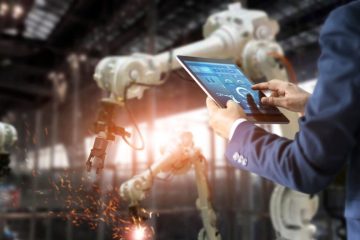
The Future of Manufacturing: Trends, Technologies, and Transformation
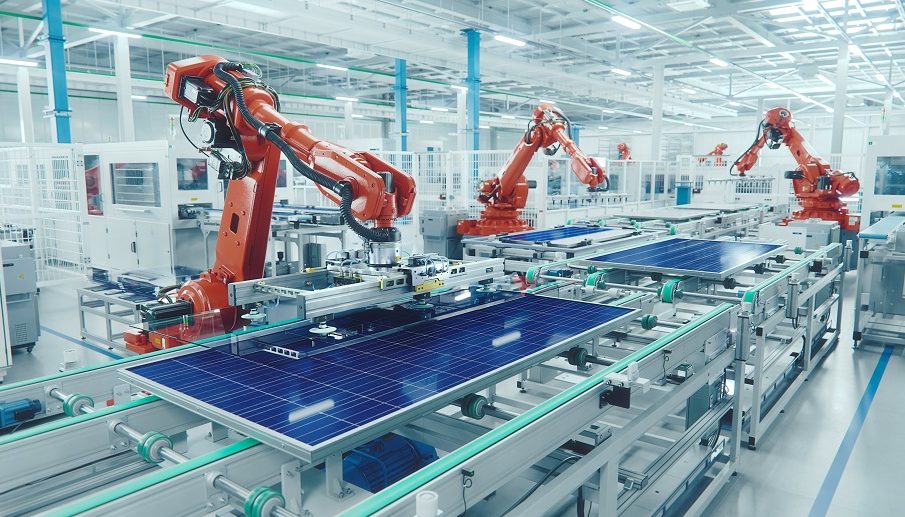
Manufacturing has entered a new era shaped by digital innovation, global competition, and rapidly evolving customer expectations. Modern factories are no longer defined solely by assembly lines—they are complex ecosystems powered by data, automation, and interconnected systems. This transformation is creating unprecedented opportunities for efficiency, customization, and sustainability.
What Is Modern Manufacturing?
Modern manufacturing refers to technology-driven production processes that integrate digital tools, automation, and advanced materials to create goods more efficiently and accurately. Unlike traditional manufacturing, it emphasizes:
- Smart factories
- Real-time data analytics
- Flexible production systems
- Sustainable practices
These advances enable companies to produce at scale while still offering customization and maintaining high quality standards.
Key Trends Shaping the Manufacturing Industry
1. The Rise of Industry 4.0
Industry 4.0 marks the fusion of physical operations with digital technologies. This includes:
- Internet of Things (IoT) sensors enabling machine-to-machine communication
- Cloud computing for managing massive data sets
- Predictive maintenance that reduces downtime
- Cyber-physical systems that automate complex tasks
Together, these technologies allow factories to optimize production with minimal human intervention.
2. Automation and Robotics
Robotics once handled only repetitive tasks. Today’s robots are:
- Collaborative (cobots)
- AI-enhanced
- Capable of precision tasks
Automation increases production speed, improves worker safety, and ensures consistent product quality.
3. Additive Manufacturing (3D Printing)
3D printing enables companies to:
- Create prototypes rapidly
- Reduce material waste
- Produce complex components
- Customize products at low cost
Sectors like aerospace, automotive, and healthcare are already adopting additive manufacturing on a large scale.
4. Sustainable and Green Manufacturing
Environmental concerns and regulatory pressure are pushing manufacturers to adopt:
- Energy-efficient machinery
- Recyclable or biodegradable materials
- Closed-loop production systems
These efforts reduce carbon footprint while improving operational resilience.
5. Data-Driven Decision Making
Manufacturers are leveraging big data and AI to improve:
- Quality control
- Demand forecasting
- Supply chain visibility
- Inventory management
Data analytics empowers leaders to make accurate, timely decisions that reduce costs and improve outcomes.
Benefits of Modern Manufacturing
Improved Efficiency
Digital tools streamline workflows and reduce human error, leading to faster production cycles.
Higher Product Quality
Automation ensures consistent performance and reduces variability.
Cost Reduction
Predictive maintenance and optimized resource management lower overall operational costs.
Increased Flexibility
Smart factories adapt quickly to market changes, enabling on-demand production and customization.
Enhanced Worker Safety
Robots and monitoring systems help reduce hazardous tasks and workplace injuries.
Challenges Facing the Manufacturing Sector
Skills Gap
Advanced technologies require a new generation of skilled labor, creating a significant talent shortage.
High Initial Investment
Implementing robotics and automation demands substantial upfront capital.
Cybersecurity Risks
Connected systems increase exposure to cyber threats, making robust security essential.
Supply Chain Disruptions
Global events, geopolitical tension, and material shortages can disrupt operations.
The Future of Manufacturing
Manufacturing will continue evolving through:
- Hyper-automation driven by AI and robotics
- Digital twins for real-time simulation
- Smart supply chains that autonomously adapt
- Increased human-machine collaboration
- Decentralized, small-scale production hubs
These advancements promise higher agility, reduced costs, and improved product innovation.
FAQs
1. What technologies are most influential in modern manufacturing?
Key technologies include IoT, AI, robotics, additive manufacturing, and data analytics.
2. How does automation affect workers in manufacturing?
Automation reduces repetitive tasks and increases safety but also requires upskilling for more technical roles.
3. Why is sustainability important in manufacturing?
It helps reduce environmental impact, meet regulatory standards, and improve brand reputation.
4. What are digital twins used for in factories?
Digital twins simulate real-time factory operations to predict outcomes, optimize processes, and prevent failures.
5. How does 3D printing benefit production lines?
It speeds up prototyping, allows custom designs, and cuts material waste.
6. What are the main risks of adopting Industry 4.0 technologies?
Cybersecurity threats, integration complexity, and high initial costs are the primary risks.
7. How can manufacturers overcome the skills gap?
Through employee training programs, partnerships with educational institutions, and investment in workforce development.
Meta Title
Future of Manufacturing: Key Trends, Technologies, Benefits & Challenges
Meta Description
Explore the evolving world of manufacturing, including Industry 4.0 trends, automation, sustainability, challenges, and future innovations. Includes FAQs for deeper insights.